
How Arrest Warrants Work in Van Zandt County
Texas Code of Criminal Procedure Chapter 15 supplies the definition. An arrest warrant is a magistrate's written order. It directs a peace officer to arrest a person accused of an offense. Probable cause is required. That means facts supporting a reasonable belief that the offense occurred and that the accused was involved. A sworn complaint or other legally sufficient basis goes before an authorized magistrate. A bench warrant is different. It follows missed court duties. In Van Zandt County, the four JP offices perform probable-cause and bail-related magistrate work, while district and County Court at Law criminal cases follow their own clerk and court routes.
Van Zandt County Arrest-Warrant Review
Article 15.03 gives a magistrate two options. After an oath and the required showing, the court may issue either a warrant or a summons. Van Zandt County's Justice page lists magistrate duties that include probable-cause determinations and bail examinations. Which process issues depends on the complaint and the judicial officer. The police department does not control it. Ask the clerk where the public case record sits. The District Clerk's criminal resources and the County Court at Law's criminal coordinator serve different higher-court lanes, and neither office publishes a public index of active arrest warrants. The Justice Court overview describes the local magistrate role.
Arrest Warrants: What They Contain
Article 15.02 lists the requisites. A warrant must identify the accused by name or description with reasonable certainty. It must state the offense charged. It also needs the magistrate's signature and office; Van Zandt County posts no public arrest-warrant specimen, so ask the clerk for these legal and case fields on any document.
| Record example | No public sample located Ask for a cause number if one has been assigned. |
|---|---|
| Accused name | Name or sufficient description under the statute; keep private identifiers out of public copy. |
| Offense | Charge named in the order or related public filing. |
| Magistrate | Issuing signature and office, when the document is releasable. |
| Bond or setting | Current bail or hearing information, verified with the court or jail. |
| Date and status | Issue date, service or return, and any later recall or closure. |
Van Zandt County Arrest-Warrant Affidavits
An affidavit may support a magistrate's decision in Van Zandt County. Neither is automatically public. Texas Government Code §552.108 can shield law-enforcement and prosecutor material where release would interfere with an investigation or prosecution. Ask for the public docket instead. Assume nothing about the supporting document. The District Clerk and the County Court at Law can identify their filing routes, and the sheriff handles enforcement records subject to law. The Chapter 15 source covers requisites and execution for arrest warrants across Texas. It does not display any local case file.
Compare the statute with Government Code Chapter 552. Then ask the Van Zandt County office directly for any releasable warrant record.
How Warrants Get Served in Van Zandt County
The issuing court authorizes the process. A peace officer then executes it. In Van Zandt County, the Sheriff's Office is the contact for service and custody questions, and city police or constables may also handle local enforcement. No posted schedule limits service to courthouse hours. After an arrest, Chapter 15 requires prompt presentation before a magistrate. Bail steps follow from there. The sheriff and jail pages answer questions about current booking, bond, and release logistics. Van Zandt County posts no single public guide to bond options and timing, so confirm those details with the office directly.
Van Zandt County Arrest-Warrant Contacts
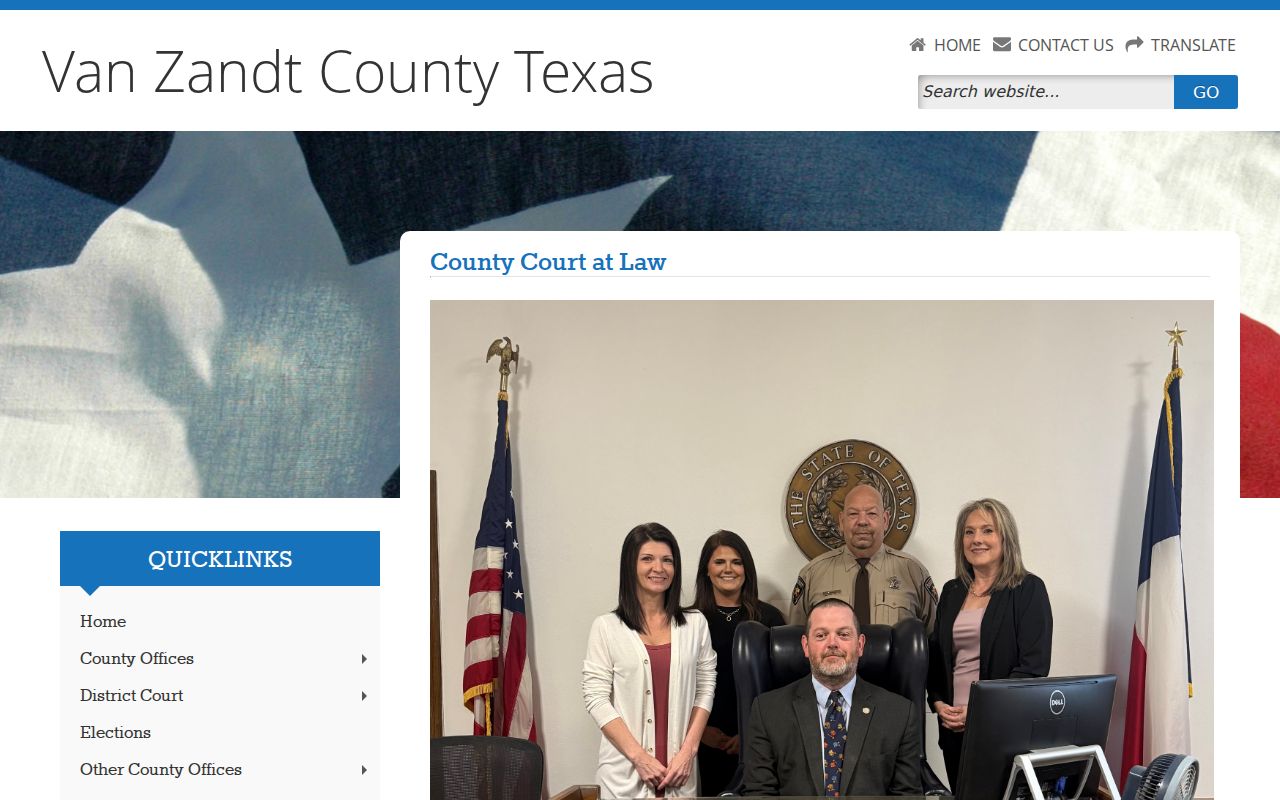
Service and enforcement questions go to the Van Zandt County Sheriff's Office, as do custody matters. A district-court filing belongs with District Clerk Karen L. Wilson. A County Court at Law criminal case runs through the county's separate criminal coordinator. Each office answers a different question: a clerk may point you to the case file, while the sheriff speaks to execution and custody. The County Court at Law page names its criminal coordinator and lists pretrial material. Treat it as a directory, not a warrant roster. Have your cause number ready before you call.
Bring the case identifier with you. Ask whether that Van Zandt County office can confirm a releasable record or must refer you to another court.
Arrest Warrants, Summonses, and Bench Warrants
An arrest warrant orders an officer to take someone into custody. A summons just directs an appearance. A bench warrant follows a missed obligation. In Van Zandt County, check the order's actual name and issuing court before deciding what to ask next.
| Feature | Arrest Warrant | Summons | Bench Warrant |
|---|---|---|---|
| What it orders | Arrest and presentment before a magistrate | Appearance on the stated date | Court-directed arrest process after an obligation |
| Basis | Complaint and probable-cause process | Charge or matter where summons is allowed | Missed appearance or other court duty |
| Who issues | Magistrate | Court or authorized officer under law | Judge in the existing case |
| Next step | Confirm court, counsel, and bond process | Appear as directed | Contact issuing court about recall or hearing |
Van Zandt County Search-Warrant Boundary
A search warrant authorizes a search. It does not authorize an arrest. Van Zandt County's Justice page lists review or issuance of search warrants among magistrate functions. Investigation records may open later than a court docket. When you call, name the exact process on the document, since a search-warrant question belongs to the issuing magistrate or investigating agency. An arrest-warrant status question may need the criminal clerk and the sheriff. One is not proof of the other. Chapter 15's warrant rules keep arrest process separate from other orders.
Handling an Arrest Warrant in Your Name
A warrant in your own name is a lawyer question first. Call a criminal-defense attorney in Van Zandt County before you walk into any office. The court alone can recall or quash the warrant, so ask your lawyer which court holds authority and what the current record says. Sheriff and jail staff handle enforcement and bond logistics.
- Locate the court or agency tied to the complaint, citation, or cause number.
- Ask the lawyer and court about a voluntary appearance, motion, hearing, or bond.
- Follow the court’s instructions and keep any order, receipt, and release paperwork.
- Confirm with the issuing office that process was recalled or satisfied.
Important: Do not try to test an arrest warrant by approaching law enforcement; discuss a safe appearance with a lawyer first.
Van Zandt County Federal Arrest Warrants
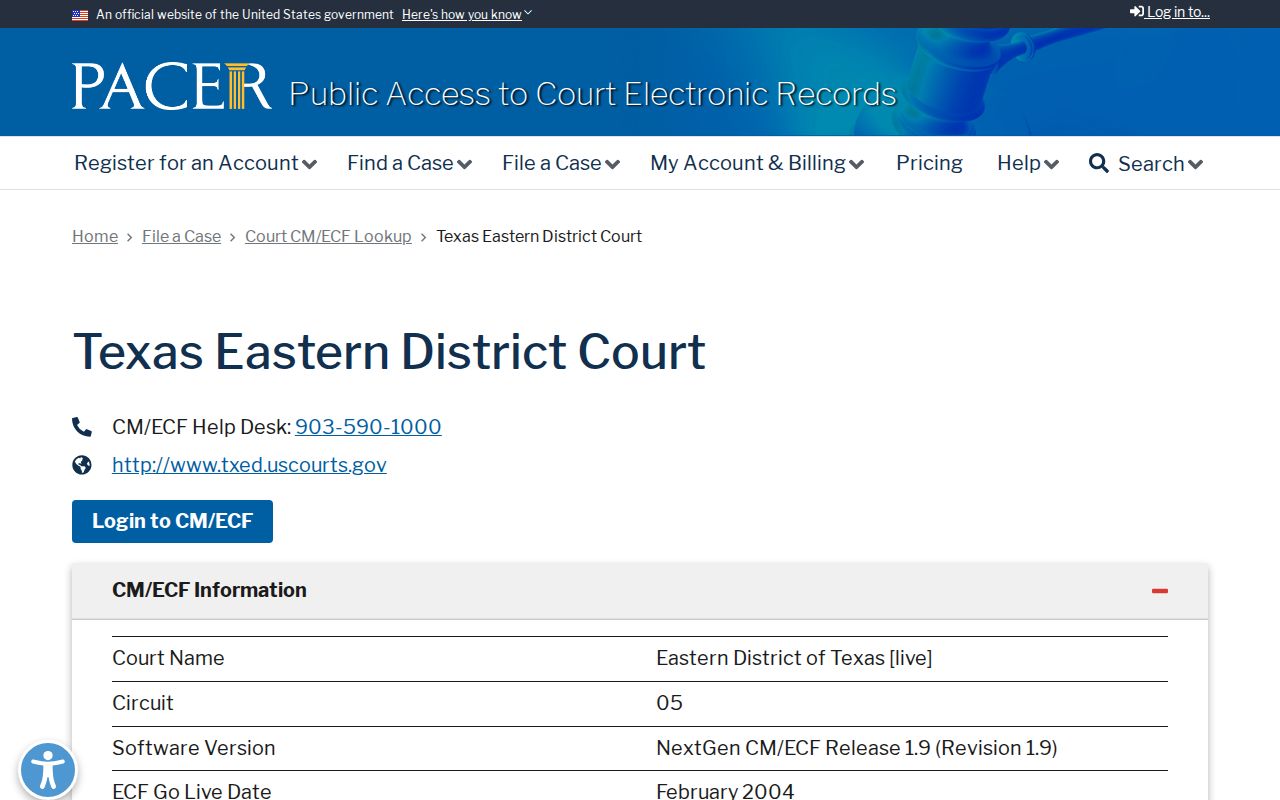
Federal cases do not live in the Van Zandt County courthouse or the sheriff's warrant file. The county belongs to the Eastern District of Texas, Tyler Division, so a federal arrest warrant would surface there. PACER is the official docket route. Sealed matters may not show up, though, until execution or later docket activity. The Eastern District court lookup is the tool for federal case research, and CourtListener with RECAP can surface contributed documents even though neither is official. For enforcement questions, the U.S. Marshals Tyler office is the federal contact. It is not a public local warrant index, so a county warrant search still goes through the issuing court or sheriff. The official Eastern District of Texas PACER route identifies the Tyler court system and its directory, and sealed records may stay unavailable through a public docket search no matter which tool you use.
Use PACER for federal dockets and the local court for Van Zandt County cases.